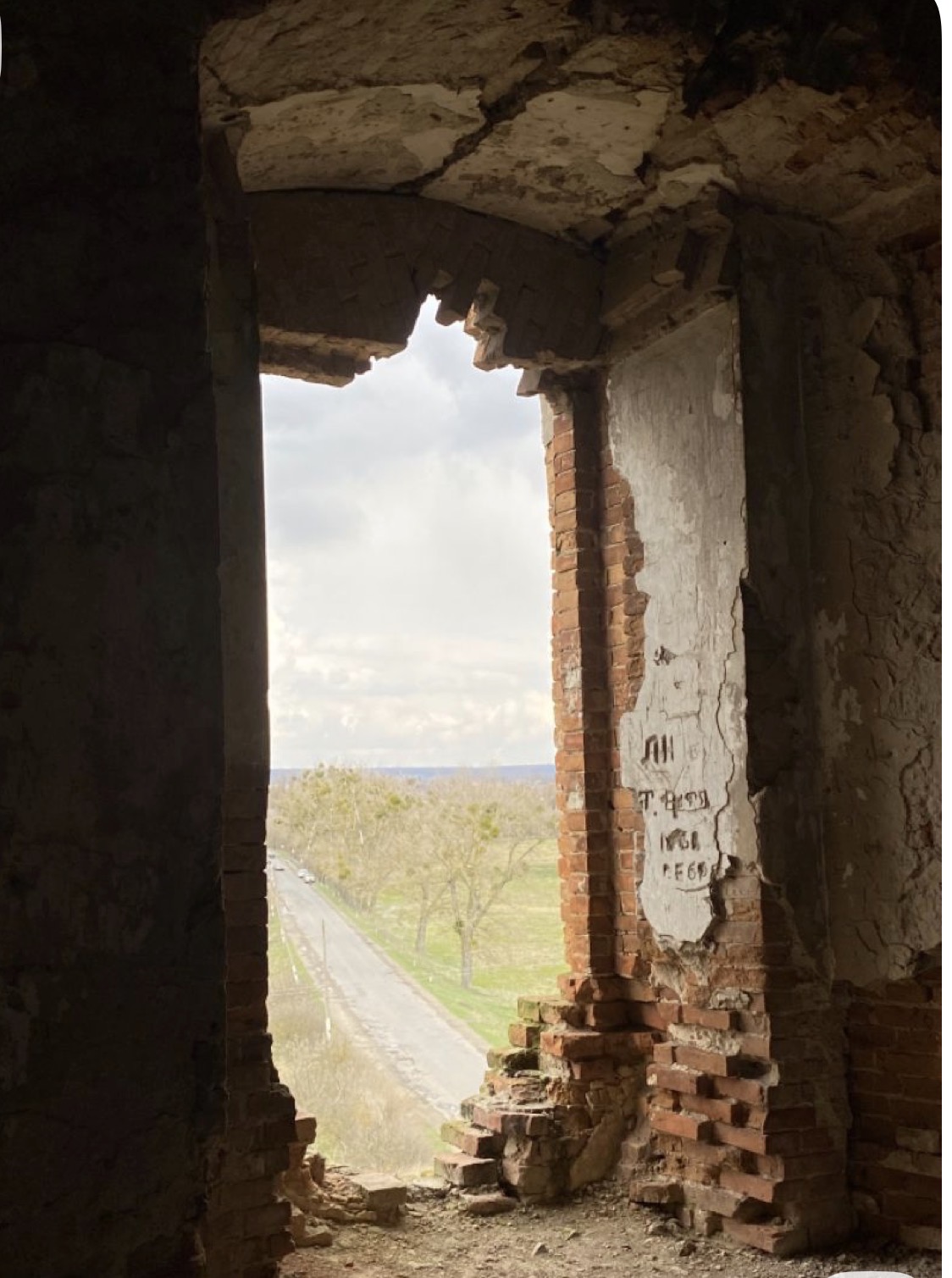
I’m ten years old, and I have learned that life here is nothing like the stories you read in books. There’s a wall in our house, the one we pass every day, and it’s stained. Not with paint, not with dirt, but with something older, something heavier. Something that happened when the world was louder than it should have been. Adults don’t talk about it. They pretend it’s just a mark, like the wall forgot what it saw. But I remember. I carry it in my chest, in the back of my mind, in the way my hands curl around the edges of things I shouldn’t touch.
When I was smaller, I used to ask Mama about it. She would look away, her eyes folding themselves shut as if the wall had swallowed her words. She said it’s nothing for a child to carry. But I carry it anyway. I carry the memory of streets that crumble, the smell of dust and smoke, the way the sky can turn grey in a second and stay that way forever. I carry the sound of buildings falling, and sometimes I hear it in my dreams, like it’s not over yet.
I’ve learned things that no child should know. I know how to recognize the difference between explosions, the shape of rubble that used to be homes, the sound a door makes when it’s hiding someone inside it. I know when a grown-up is pretending to be strong and when they are just waiting for a reason to stop. I’ve learned to count the days not by numbers but by what was taken and what survived.
The wall doesn’t talk. It doesn’t explain. But it teaches. It tells me what people don’t say: that life doesn’t need reasons to hurt, that survival is the only story worth telling here. I don’t know whose blood it was, and I never will. Maybe someone who smiled once. Maybe someone who had dreams. Someone who hoped to grow up and go somewhere else and then didn’t. The wall doesn’t tell that part. It only keeps the mark, stubborn and honest.
The grown-ups call it war. They talk about it as if it has sides, as if it has rules. I don’t understand that. War isn’t politics. War doesn’t ask for permission. War doesn’t need explanations. War is just something that comes into your house and leaves pieces of itself everywhere. It leaves rubble, it leaves silence, it leaves marks on walls, and it leaves holes in people that nothing can fill.
I’ve learned to watch, to listen, to notice the small things. The way Mama holds her hand over her mouth when she thinks no one is looking. The way people step lightly over broken glass as if the ground could remember. The way a laugh can sound too loud, and a whisper too honest. Sometimes I pretend I don’t see the fear, but it’s always there, like shadows that have grown too big for their owners.
And still, somehow, I am not broken. Ten-year-olds are strange that way. We stretch around the pain, we move through it like water around rocks, and we keep going. I imagine mornings where the only thing waking me is sunlight, where the sky is blue, and birds exist without fear. I imagine people who don’t have to whisper to survive, who don’t carry rubble in their hands like it’s a treasure. But even my imagination cannot erase the stain.
Sometimes, late at night, when the house is quiet except for Mama’s slow breathing, I press my hand against that wall. I press it there and feel the uneven bumps, the dark hardened shape of memory, and I imagine all the lives that passed through it. It feels heavy, like the weight of all the world’s cruelty, but also like proof that something remains, that something refuses to be forgotten. The wall is stubborn in a way people aren’t. It doesn’t soften. It doesn’t explain. It just is.
And I realize, slowly, that the stain isn’t just on the plaster. It’s in me. It is in the way I move through the streets, in the way I listen to the air, in the way I fold my hands around the small, fragile things that might survive. The wall will be here long after I’ve gone. It will still hold the weight of what was taken, the heat and terror of that moment, the lives that ended too soon.
The stained wall is a teacher, a warning, a companion. It does not forgive. It does not forget. It does not explain. And maybe that is what makes it terrifying. Or maybe it is what makes it the only honest thing I know in this place.
I am ten years old. I have seen too much. I have learned too much. But I am still here. And every time I pass that wall, every time I press my hand against it, I remember that some marks are too deep to fade. Some memories, like blood on plaster, are permanent. Some walls, like this one, keep the story alive long after the world has moved on.
The wall is still stained.
And I am still here.
Comments
Post a Comment