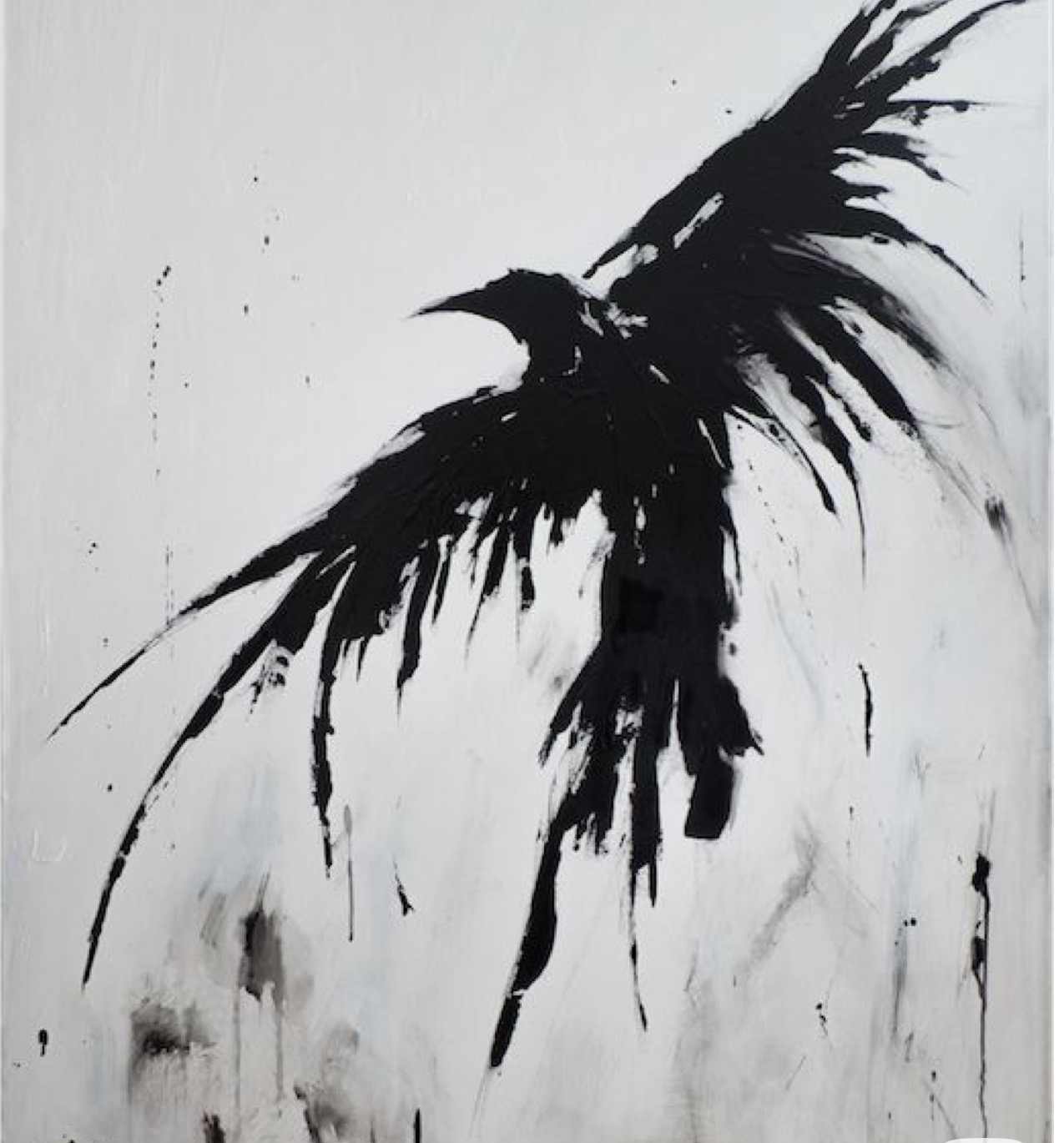
Once upon a time; back when newspapers still smelled of ink and not algorithmic sweat; the political world was a simple creature with two very loud, very opinionated wings. The Left fluttered like a frantic pigeon high on revolution, shouting about equality and workers and the end of capitalism while lighting cigarettes with manifestos. The Right perched like a grumpy old vulture on a banyan tree, mumbling about tradition and discipline and why everything was better when nobody talked back.
They were opposites, yes, but useful ones. Like two mismatched uncles at a wedding, one drunk on ideology, the other drunk on nostalgia, somehow keeping the family together through sheer argumentative consistency. You knew where each stood. You could draw their silhouettes in the dark.
But then came the internet; our great global puppeteer; and somewhere between the first viral hashtag and the millionth “breaking news” notification, the wings began to molt.
The Left, once the sworn defender of reckless speech, started guarding language like a territorial cat. Out came the red pens and moral checklists: “Say that, not this. Think that, not this. Kindly colour within the ideological lines.” Meanwhile, the Right, which used to behave like a stern schoolmaster lecturing about order, suddenly discovered the intoxicating chaos of populism. Institutions they once treated like temples were now treated like tinder.
Across the world, everyone began quoting books they clearly hadn’t finished.
The Left clutched the Constitution like a life jacket. The Right waved Orwell like a neon sign.
It became difficult to tell if they were fighting each other or auditioning to play each other.
India, of course, had its own special flavour of this absurdity; something between political theatre and a cosmic joke that nobody admits they laughed at. The Indian Left, birthed in university canteens and union halls, once shouted about freedom and secularism until their throats got hoarse. The Indian Right, forged from cultural memory and old wounds, once tiptoed around protests like a man politely avoiding a puddle.
But then the roles got mixed up, as if someone backstage shuffled the scripts.
The Left started demanding bans; movies, comedians, opinions, the whole buffet. They wrapped themselves in Article numbers with the devotion of priests quoting scripture. The Right stormed the streets with the energy of rock concerts, discovering in themselves a surprising enthusiasm for upheaval. Bureaucrats were replaced by influencers, slogans replaced literature, and every WhatsApp group became a miniature war room.
Somehow, the Left began sounding like nervous parents and the Right like rebellious teenagers.
And the country? The country watched like a tired middle child caught between two adults with swapped personalities.
People tried building their own moral compass from scrap parts; economic conservative, social liberal; religious but suspicious of godmen; nationalist on holidays, global citizen on weekdays. Everyone stitched belief like a repair job on an old jacket: good enough to step outside in, but not something you'd show your tailor.
And still the wings flapped; badly, noisily, out of sync; like a bird trying to fly while arguing with itself.
Maybe the joke was on us for thinking ideologies were eternal. Maybe wings are meant to change feathers. Maybe Left and Right were never sacred positions, only temporary resting spots for human confusion.
But if there’s anything to salvage from this great, chaotic role reversal; this carnival of swapped identities; it’s the faint chance to look up. To remember that the bird was always supposed to fly higher, not scream louder. That the purpose of wings was not to smack each other mid-air, but to lift the whole creature off the ground.
And maybe, somewhere in this absurd, swirling sky of slogans and counter-slogans, we’ll stop pointing at each other long enough to remember the one thing politics consistently forgets;
Wings were never designed for blame.
They were designed for flight.
Comments
Post a Comment